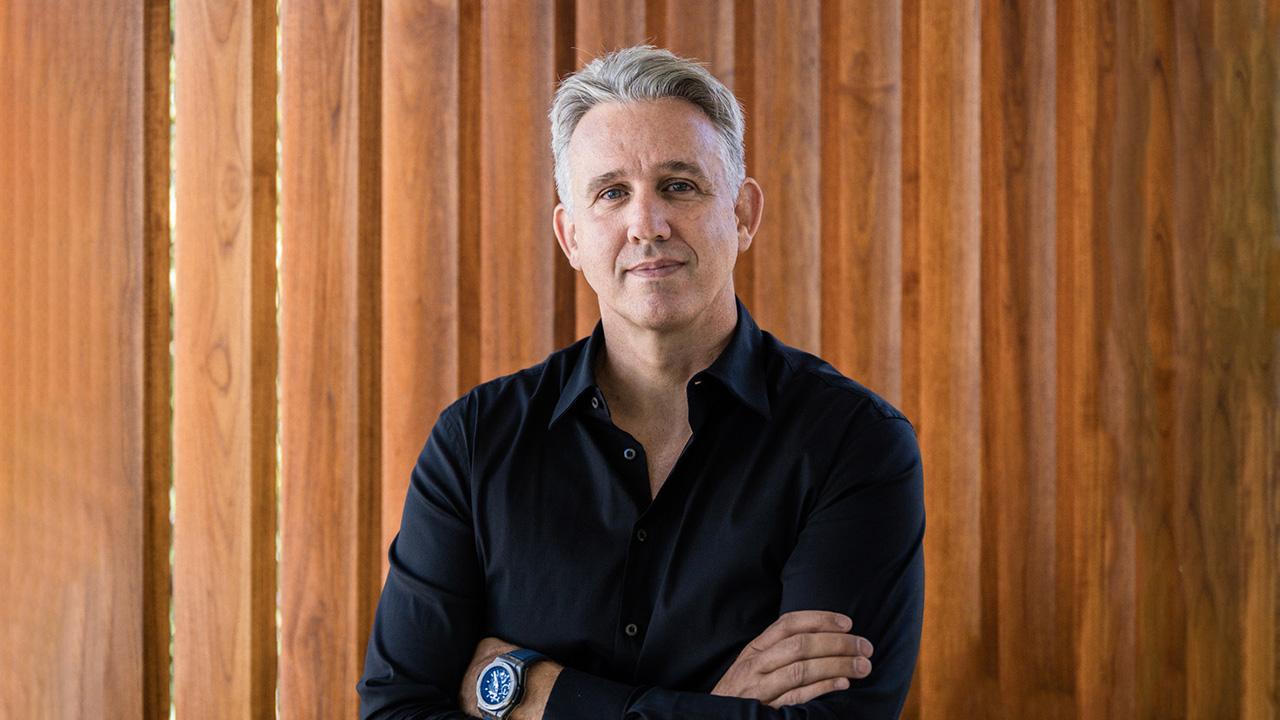
David Montalba has always worked between worlds. The Swiss-American architect founded the award-winning Montalba Architects in 2004 after formative years at leading Los Angeles studios, carrying forward a sensibility shaped by context, material integrity, and light. Today, his practice operates globally from offices in Santa Monica, New York, and Lausanne, spanning residential, hospitality, and high-profile projects for brands including The Row, Monique Lhuillier, and the global hospitality and restaurant group Nobu.
Yet for all its international reach, the studio’s work remains deeply rooted in place. Each project begins with a careful reading of the site, informed by climate, topography and the rhythms of everyday life. Rather than imposing a style, Montalba Architects designs from the ground up, enabling architecture to emerge naturally. Across Switzerland, this approach is shaping a new generation of homes that feel deeply intuitive and immersive, where interiors open outward and the surrounding world becomes part of the experience. These are places you don’t just admire you want to step into.
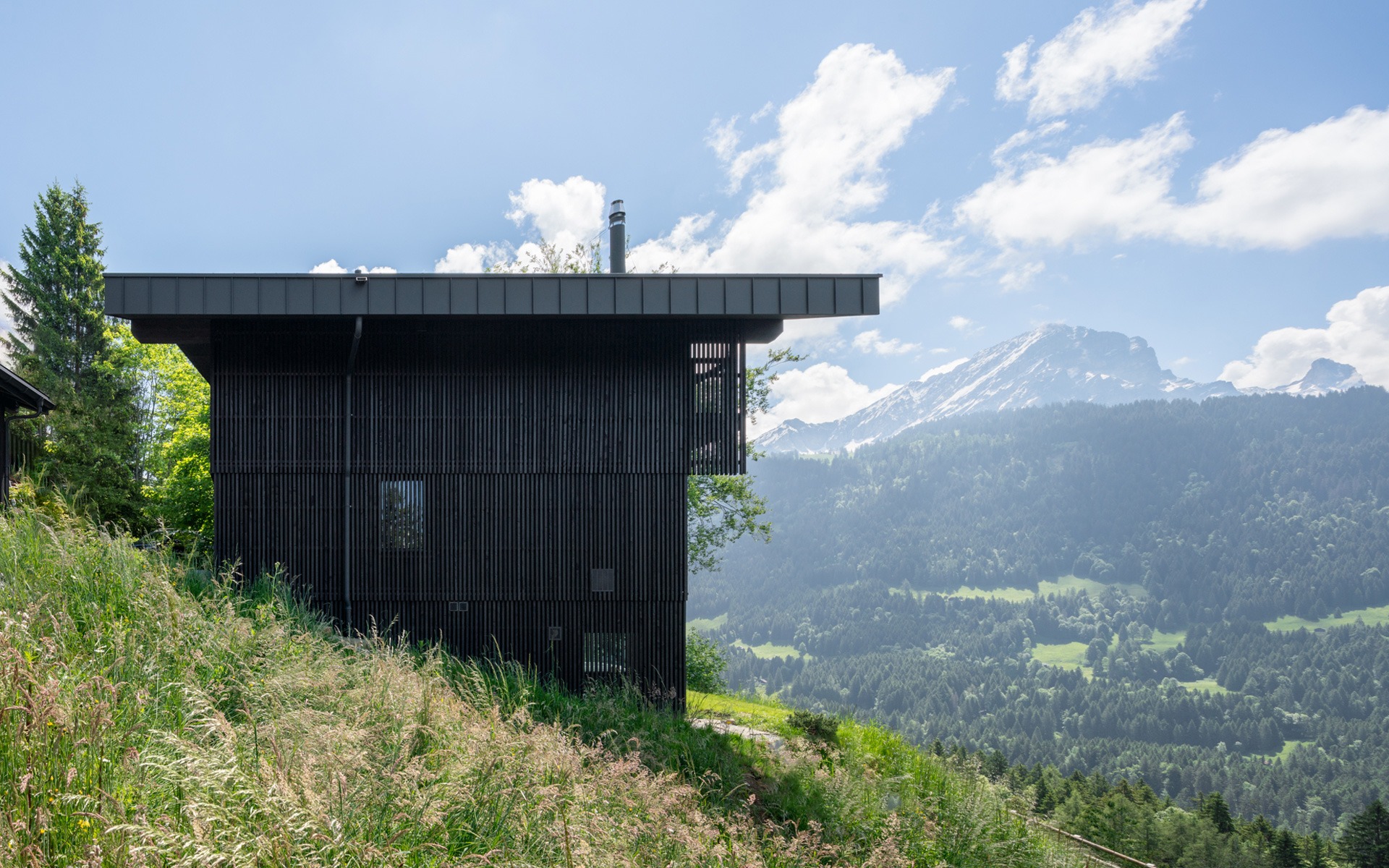
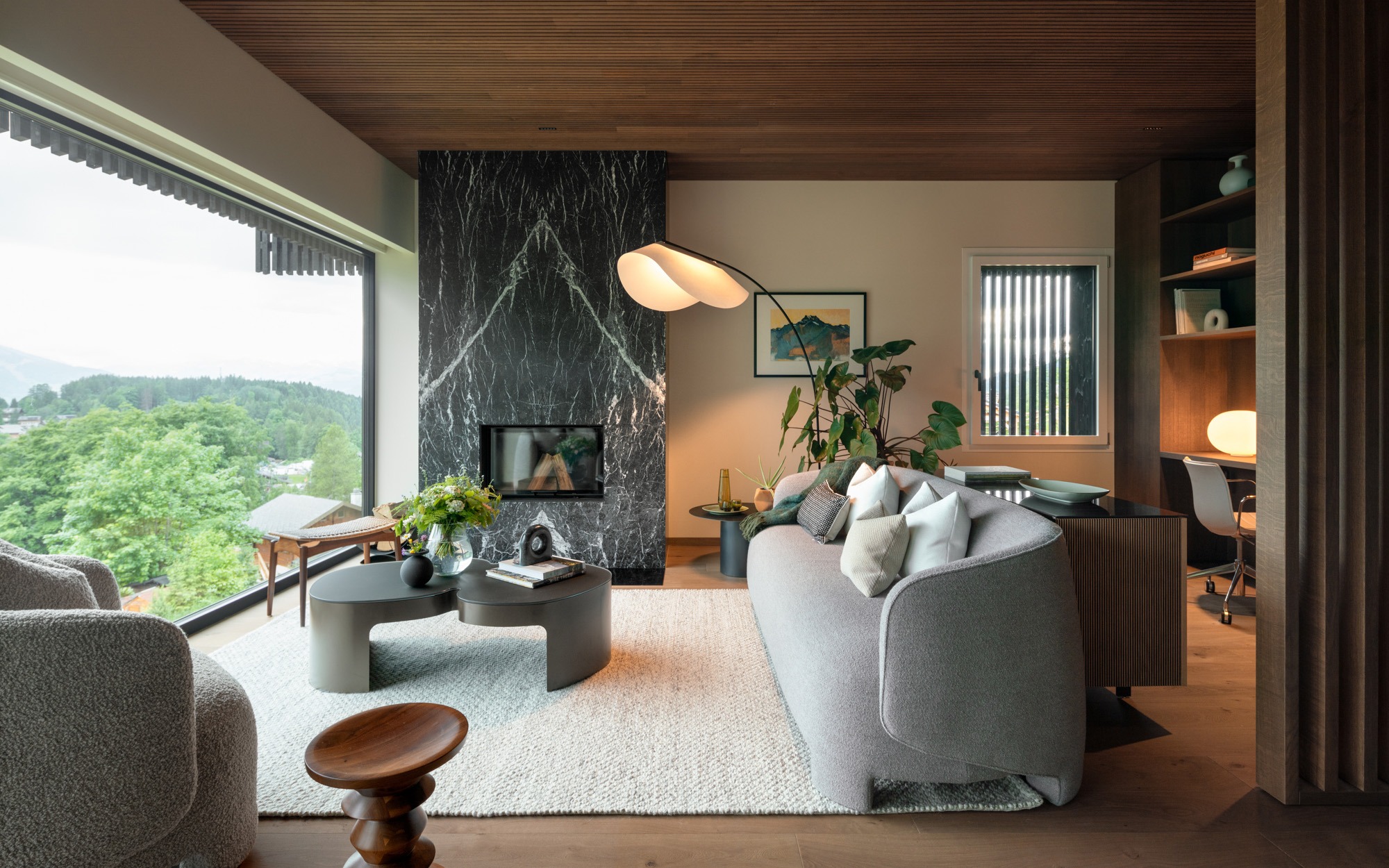
This approach is perhaps most clearly expressed in The Gryon Chalet, a project that rethinks the traditional Swiss alpine home through a contemporary, material-led lens. Set high on a steep slope in the Vaud Alps, the three-storey chalet presents a dark, geometric silhouette defined by pre-blackened timber cladding and a wide sloping metal roof fitted with solar slats, a pragmatic response to both climate and form. Over time, the wood exterior continues to darken under the sun, allowing the house to age naturally into the landscape and read almost as a monolithic object against the mountains. Wood wraps over much of the façade to provide privacy on the exposed site, while large areas remain open towards the Grand Muveran massif.
Inside, natural wood and stone lend warmth to the interiors, while expansive windows frame the surrounding peaks, bringing the landscape into everyday life. The result is a chalet that feels rooted, where material honesty and contemporary living move in quiet rhythm with nature.
This same approach carries through to the studio’s other Swiss projects, each responding differently to its setting. At Whitepod Eco Chalets in Monthey, architecture becomes elemental, with monolithic wooden forms designed for slow, immersive stays at altitude, where day and night spaces are organised around panoramic mountain views. At the other end of the spectrum, the Flore Lake House in Lutry engages in a softer dialogue, reshaping an existing lakeside residence through gentle curves and fluid transitions that mediate between water, vineyards, and light.
At its core, Montalba Architects designs spaces around how people actually live, move, and feel. Materials are chosen for their honesty and longevity, favouring tactile finishes that age gracefully and gain character with time, while interiors and exteriors are conceived in harmony, allowing landscape, views, and natural light to become part of everyday life. The result is architecture that feels grounded rather than performative, spaces that reveal themselves gradually and grow more meaningful the longer they are inhabited.
This approach has found renewed clarity in Switzerland, particularly through the studio’s increasing presence in Zurich. For David Montalba, this is not a new direction but a return to a place where precision, craftsmanship, and cultural awareness are deeply ingrained in the way buildings are conceived and experienced.